

 Nederlands
 English
 Deutsch
 Français

Genap Energy Cover
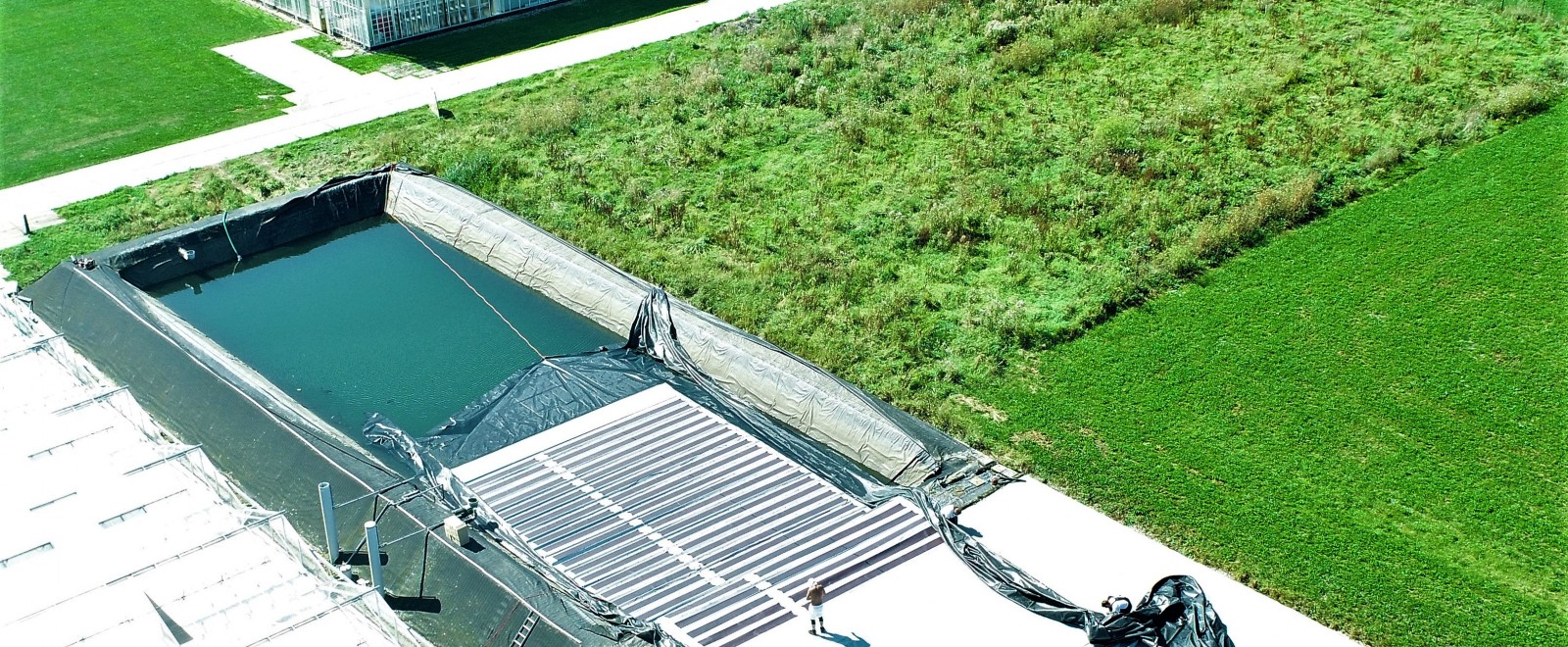
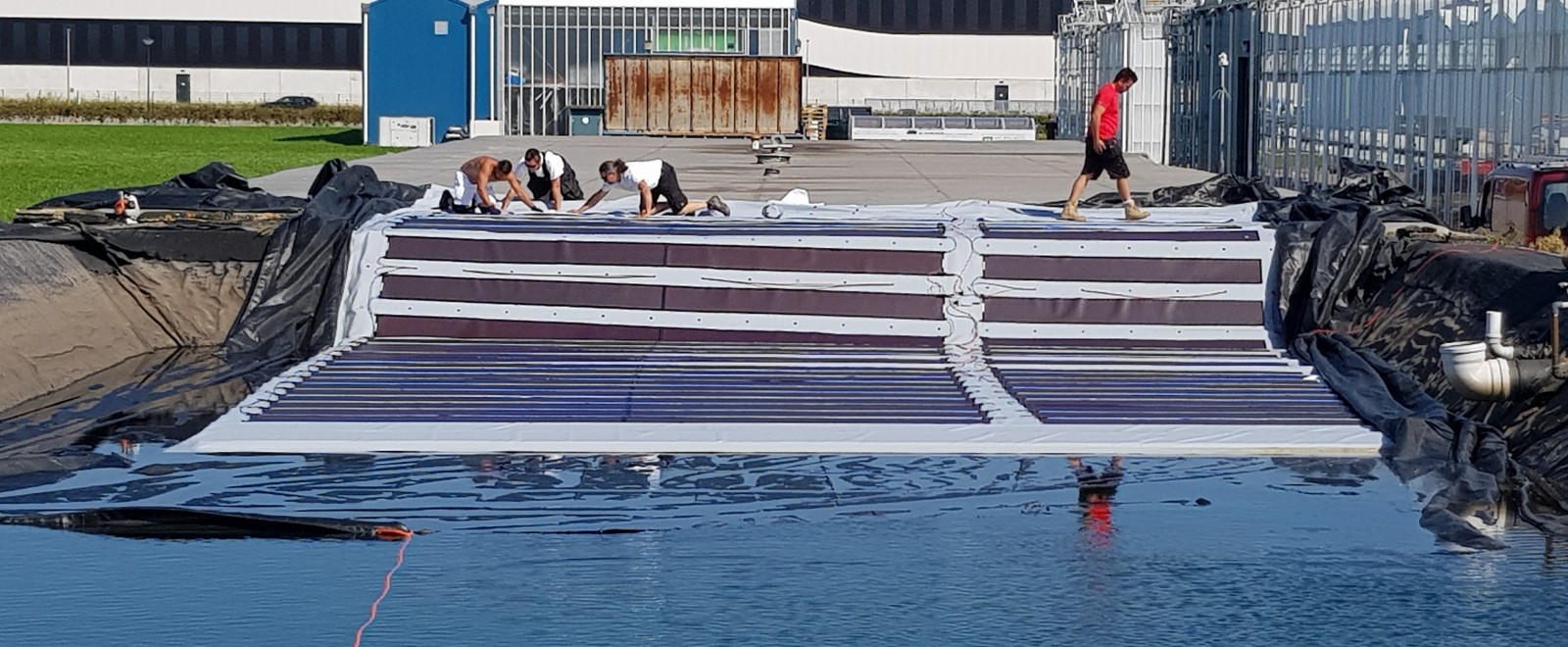
In September, Genap was the first to equip a lagoon of Wageningen University & Research with its latest innovation, the Genap Energy Cover; an anti-algae floating cover in which flexible, floating solar panels are integrated. This unique solution ensures efficient use of a horticulturist's scarce space by combining water storage with energy generation.
Multifunctional use of a water lagoon
To prevent algae growth and pollution, the lagoons are usually covered with a floating cover. With the introduction of the Genap Energy Cover, it is now also possible to use this same space to generate energy.
Solar panels above a water basin are moreover not new. However, until now floating solar installations consist rigid crystalline solar panels on metal frames. As long as the lagoon does not have to be maintained, such a construction works fine. But if the foil has to be replaced, the installation must be completely dismantled. With the Genap Energy Cover, that is no longer an issue.
Flexible floating sail
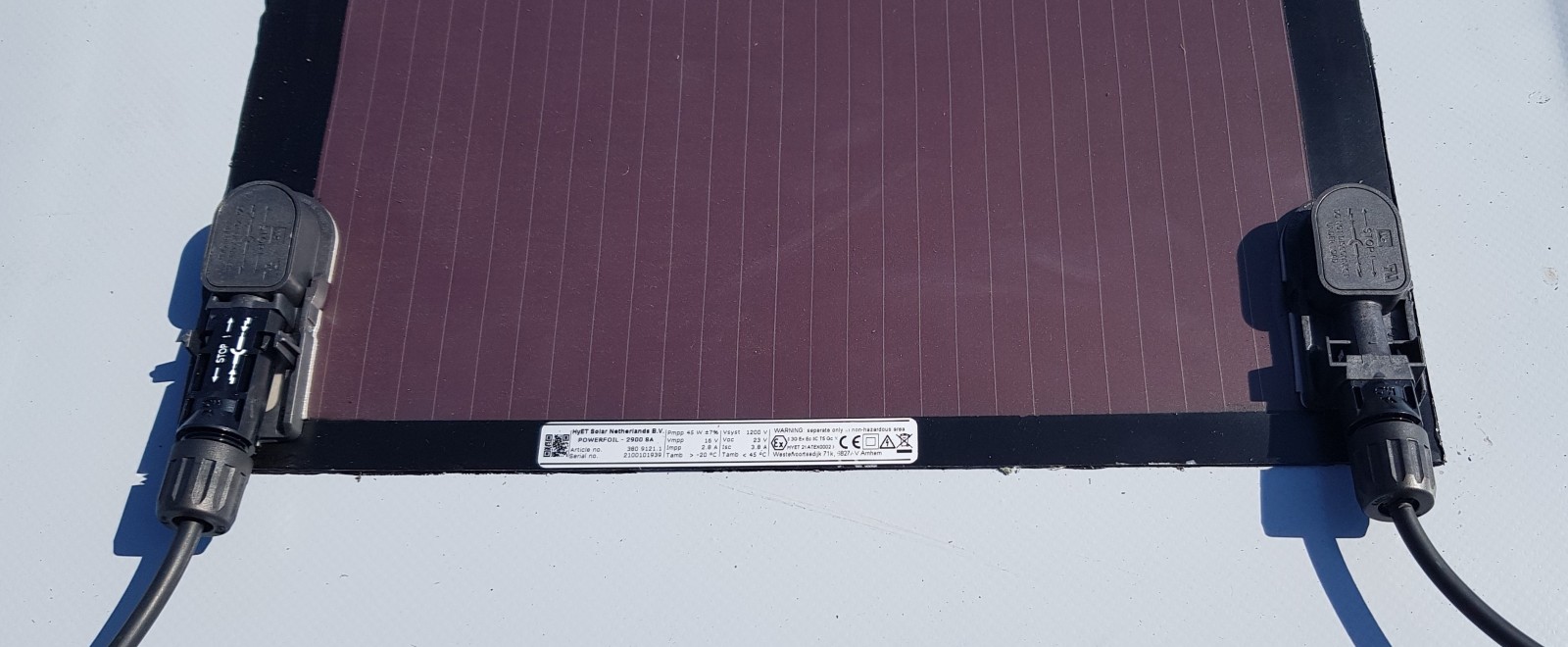
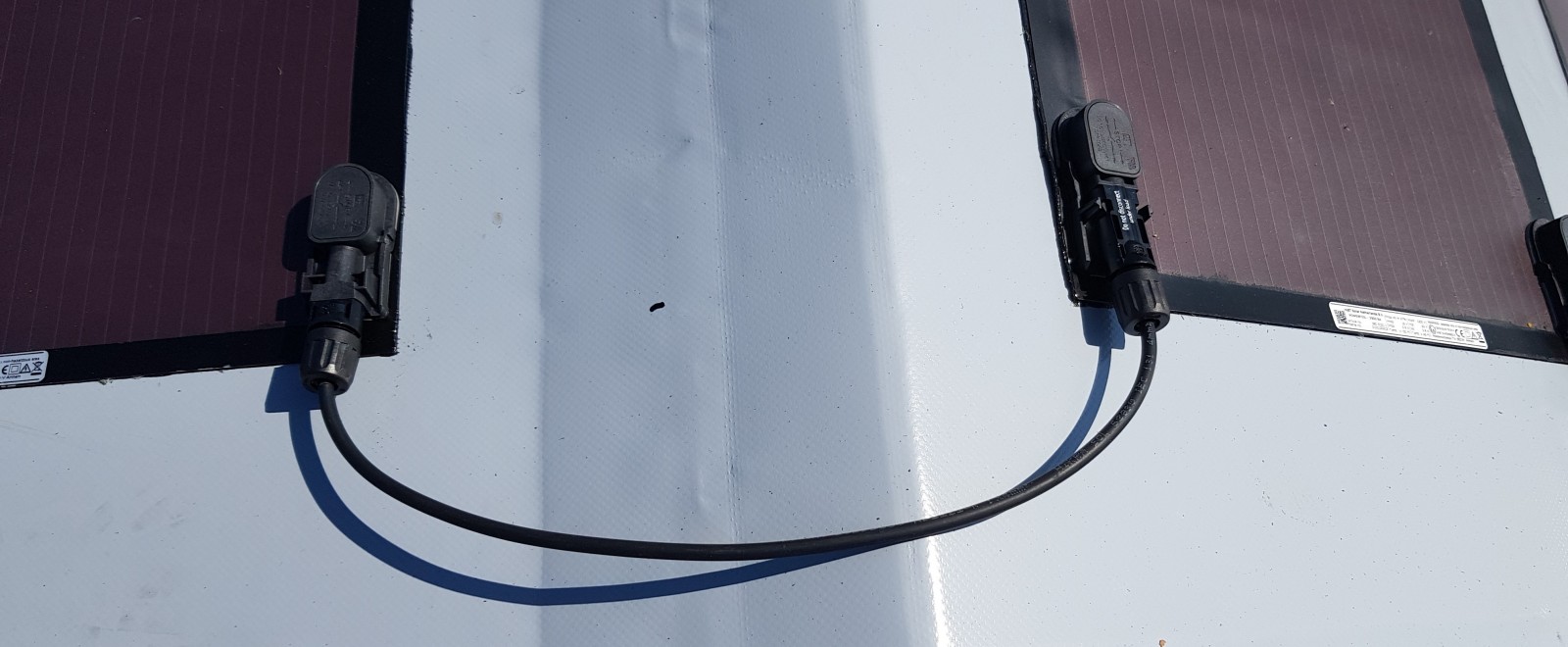
The Genap Energy Cover is made of durable plastic foil with an internal reinforcement. The foil is provided with seams in which floating bodies of EPS (styrofoam) are applied. These have a sloped profile, so that the ultra-thin flexible solar cells mounted on the top of the floating sail are oriented at an angle of 8° to the sunny side. A few centimeters have been kept free between the rows of floats and solar panels, making it easy to roll out and roll up the whole.
Further development
Together with TNO and HyET Solar, Genap's R&D department has been working on the Genap Energy Cover for two years. The first prototype of the product has been floating in the water basin of Wageningen University & Research in Bleiswijk since September. A perfect location for such an innovation. The coming period will be used to collect data and to assess the interest of growers on the basis of which the product will be further developed. Particular attention will be paid to increasing the generating electrical power of the flexible solar panels. At 120 Wp/m2, the yield is still lower than that of rigid panels, but it is expected that this will be largely made up within two years.



Solutions
Projects
Contact
 |
Genap ist WHG-zertifiziert |